Blog

Sorry, this content is available only in Slovak language...

List of articles

Newborn’s First Weeks: Reflexes, Senses, Tummy Time & Red Flags

It’s here 👶 

For months, you’ve been dreaming about what it will be like to bring your little miracle home. What they’ll look like, what they’ll sound like, and how you’ll handle your very first days and weeks together. 

prve-dni-a-tyzdne-novodeniatka-1

Whether you already have parenting experience or this is your first time, we all share one common worry: will we be able to create the very best conditions for our baby’s healthy development from day one? 

It’s no secret that the first days and weeks of a newborn’s life are considered sensitive and key for their future psychomotor development.

Everything begins with reflexes, which are a natural part of the newborn period. A baby is born with many unconditioned reflexes (they can breathe, swallow, blink, cough, etc.), which reflect the state and functioning of their nervous system.

Besides these, the newborn period is also characterized by other equally important reflexes that appear only at this stage and typically fade gradually by around 6 months.

Appropriate early conditions play an important role in how your baby will develop both in movement and neuromuscular control.

This article offers a look at what is worth monitoring, how you can support healthy development, what not to rush, and what to watch out for.

NEWBORN REFLEXES AND WHAT THEY DO 

In the first weeks after birth, a baby’s psychomotor development relies mainly on basic reflexes. These include, for example:

  • Rooting reflex – helps a stimulating object (e.g., nipple, pacifier) find its way into the mouth.
  • Sucking reflex – the baby responds to stimulation of the lips or mouth by sucking.
  • Orienting reflex – the baby turns the head toward the direction of touch.
  • Doll’s eye phenomenon – when the newborn’s head is turned left or right, the eyes move in the opposite direction.
  • Grasp reflex – when you place a finger in the baby’s palm, they grip it firmly.
  • Response to light – the baby turns the head toward the source of light.
  • Moro reflex – a reaction to sudden movement or sound: the baby throws the arms out, then makes a hugging motion.

prve-dni-a-tyzdne-novodeniatka-4

These reflexes gradually fade during the first months of life and are replaced by so-called controlled movements. If some reflexes are missing, or if they persist beyond the expected developmental stage, it may signal an issue in ongoing development – as stated by neonatologist MUDr. Katarína Golianová from Zvolen Hospital in this article: link.

SENSES: A FOUNDATION FOR LIFE

Many parents have lots of questions when their baby is born. One of them concerns the senses. Can they see us? Can they hear us? If your baby is born healthy, the answer is simple: yes. They see, hear, and feel.

As early as the seventh month of pregnancy, all of the baby’s senses begin developing in the womb. They are not at their maximum yet, but from birth your baby is ready to learn how to live in a new world and discover it through their senses. It is important that their senses are stimulated appropriately and sufficiently.

Otherwise, it may have a negative impact on their psychomotor development.

Here are a few tips to help your baby connect with the environment:

1. TOUCH – the very first sense to develop. Babies use it already in the womb: they kick, touch themselves and their mother, and move. After birth, they want to be comforted by touch, stroked, hugged, tickled, carried in arms.

Children who receive fewer touches early in life may be more prone to emotional difficulties in adulthood. You can stimulate touch by alternating different surfaces and materials: stroke your baby with soft fabric, tickle with a feather, gently massage with warm hands, and place them on play mats and play simple finger games.

2. VISION – did you know a newborn doesn’t see in full color yet? They typically begin seeing colors and objects at greater distances around 4 to 6 months. Up to about two months, babies are most interested in human faces; later their attention expands to objects.

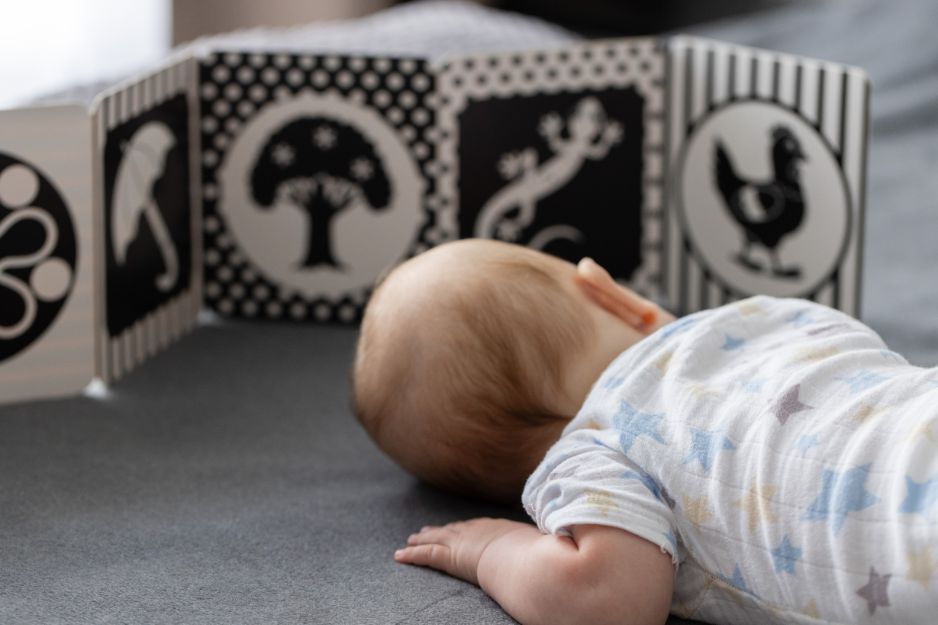
At first, your newborn will appreciate the presence of a familiar face (mom, dad). You can also stimulate visual perception with high-contrast black-and-white patterns or geometric shapes, or shiny objects, moving them slowly in front of the eyes at a distance of about 20 to 25 cm.
prve-dni-a-tyzdne-novodeniatka-2

3. HEARING - even before birth, babies start hearing sounds around the 18th week in the womb (music, voices, the mother’s heartbeat, etc.). After birth, they tend to prefer the higher, calmer voice of the mother over the deeper voice of the father. Talk to your baby calmly and gently, and use soft sound stimulation: sound toys and simple lullabies.

4. SMELL – did you know a newborn’s sense of smell can be stronger than an adult’s in certain ways? Babies love the scent of their mother and breast milk, and for the first 6 months that scent is often enough for them. When it comes to milk, they may even prefer the smell of another woman’s breast milk over formula.

5. TASTE – the first taste buds form as early as the 8th week after conception, and because the baby is closely connected to the mother, they also begin building a relationship to the tastes of foods the mother eats. Newborns can distinguish sweet, sour, and bitter tastes. The last two may trigger grimacing or crying.

Babies prefer sweet taste, and breast milk tastes sweet too. It contains carbohydrates that can trigger endorphin production. Babies usually start recognizing salty taste around 4 months. The World Health Organization WHO recommends exclusive breastfeeding for the first 6 months.

The period between 6 and 12 months is sometimes called a biological window for developing taste preferences. Babies are more receptive and open to new flavors and textures. Even if you meet initial resistance, it’s important to help your baby get used to the natural taste of food without added sugar and salt.

Sharpen your baby’s senses playfully and without pressure.

You may find you’ve forgotten many scents, textures, and tastes and it can be surprisingly nice to rediscover them. You might even remember your own childhood.

Explore your baby’s senses in a relaxed, playful way and keep an eye on their mood. Everything has its time and goes more easily when basic needs are met: your baby isn’t hungry or thirsty, has a dry diaper, isn’t in pain, and feels safe.

THE MYSTERIOUS LANGUAGE OF BABIES

A newborn is a little personality who sends signals right from birth. They show what they like and what they don’t, and communicate whether they’re hungry, tired, wet, and so on. Learning to interpret these signals is one of the first parenting challenges. It takes time and practice to understand crying, facial expressions, and body language.

Did you know a baby’s face has up to 25 muscles that are interconnected and controlled by the cerebral cortex? That’s why babies can express emotions in roughly this order:

  • from birth: interest, distress, fear
  • from 6 weeks: joy and happiness
  • from 3 months: surprise, anger
  • from 5 months: fear, disgust, aversion to odors, embarrassment
  • from 9 months: boredom, anxiety, anticipation

It is completely normal for a newborn to cry if they’re hungry, in pain, have a wet diaper, feel too hot, or too cold.

Before you become an expert at decoding this universal language, Mgr. Iveta Sedláčková, head nurse at the neonatal department in Penta Hospitals, recommends trying the so-called elimination method.

By gradually ruling out possibilities (hunger, wet or dirty diaper, need for cuddling, room too warm or too cold, etc.), you can identify your baby’s current need or problem.

prve-dni-a-tyzdne-novodeniatka-3

As babies get older, crying can express fear, frustration, sleepiness, a need for attention, or overstimulation.

TUMMY TIME

Tummy time is absolutely key for a newborn. It helps strengthen the neck, back, and shoulder muscles needed for healthy, controlled movement later on. If your baby doesn’t have any health issues, they should start tummy time already within the first week after birth. Here’s how to do it:

  1. Start with short but frequent intervals: place your baby on their tummy for 1 to 2 minutes several times a day.
  2. You can begin with tummy time on your chest, on your belly, using a nursing pillow, or on a play mat such as LALALU.
  3. Always use comfortable, soft, and safe surfaces and vary them throughout the day.
  4. Encourage lifting and turning the head using toys, sounds, your voice, or a mirror.
  5. Stay close and supervise tummy time at all times.

prve-dni-a-tyzdne-novodeniatka-5

If your baby doesn’t like tummy time, don’t panic. Help them get used to it slowly and gradually increase the time. Think back to your first time at the gym or a CrossFit class :)

It wasn’t easy either, right? With repetition you adapted to a new load, and the reward was joy in movement. Babies are similar, they just can’t tell us yet.

WHEN TO PAY EXTRA ATTENTION

Psychomotor development is a complex process that includes not only motor skills (movement) but also emotional, cognitive, and social development. While every child develops at their own pace, there are milestones that can help parents orient themselves. That’s why certain signals shouldn’t be overlooked:

Warning signs in newborns (0 to 2 months):

  1. No reaction to loud sounds:
    A newborn should react to loud sounds by startling, moving, or blinking. If such reactions are absent, it may indicate a hearing issue.

  2. Weak or missing sucking reflex:
    If the baby cannot suck or swallow effectively, it may point to a neuromuscular issue or nervous system immaturity.

  3. Very low activity:
    A newborn should move arms and legs. If the baby is passive, moves very little, or shows minimal movements, it may be concerning.

  4. Persistent asymmetry of the head or body:
    If the baby consistently keeps the head turned to one side or the body appears asymmetrical, it may suggest muscle tightness or a spine issue.

  5. No eye contact:
    If the baby does not begin to maintain eye contact around 6 weeks, it may be a sign of vision or neurological concerns.

  6. Unusual or very weak crying:
    A newborn’s cry should be strong and clear. A weak, hoarse, or very unusual cry may signal a problem with breathing, muscle tone, or overall health.

  7. Persistent seizures or jerky movements:
    Irregular rhythmic twitching or spasms can be a sign of a neurological problem.

prve-dni-a-tyzdne-novodeniatka-6

Warning signs in babies (3 to 6 months):

  1. Doesn’t lift the head during tummy time:
    Many babies can lift their head while on the tummy around 1 month. If the baby still can’t do it by 3 months, it may indicate muscle weakness or delayed motor development.

  2. Doesn’t turn toward sounds or voices:
    If the baby does not react to familiar sounds or voices (e.g., a parent’s voice), it may signal a hearing issue.

  3. No smiling or social interaction:
    Babies often respond with a smile around 6 weeks. If this doesn’t happen by 3 months, it may be a warning sign.

  4. Cannot track objects with the eyes:
    If the baby can’t track moving objects by 3 months or their eyes frequently drift, it may indicate a vision issue.

  5. Doesn’t turn the head toward sounds or movement:
    Babies should be able to turn their head toward sound or movement. If not, it may indicate delayed development.

  6. Persistent newborn reflexes:
    Reflexes such as the Moro reflex usually fade by around 4 months. If they persist, it may signal a neurological issue.

  7. Doesn’t hold toys or grasp objects:
    Around 4 months, babies often begin grasping objects. If not, it may be a sign of delayed fine motor skills.

  8. Doesn’t roll from tummy to back (or vice versa):
    By 5 to 6 months, many babies start rolling. If the baby remains inactive, it may indicate muscle weakness.

  9. Very stiff or very floppy muscles:
    If the baby’s body feels very stiff, or unusually floppy and unable to support itself during handling, it may indicate nervous system or muscle issues.

  10. Poor weight gain or developmental stagnation:
    The baby isn’t gaining weight, shows no progress in motor skills, or seems apathetic.

If you notice any of these signs, it’s important to consult a specialist, such as your pediatrician or a pediatric physiotherapist.

Small Steps Toward Healthy Development

The first weeks of your baby’s life are full of small but incredibly important steps. Your support and attention help build strong foundations for healthy psychomotor development. Remember: every baby, including yours, is unique, and your patience and love are the best gifts you can give.

 Yours, LALALU

Why Move During Pregnancy: Support Your Changing Body

Not for performance, but for the body that is changing every single day.

Movement during pregnancy is a topic that often brings uncertainty. Some recommend exercise, others suggest mainly resting. And you might be wondering whether you are doing enough or if you should slow down even more.

Preco-sa-hybat-v-tehotenstve1

Movement during pregnancy is not about training or performance. It is about supporting your body as it goes through a major transformation.

Your body adapts every day

Even when you feel like you have been resting, your body is constantly working. Your center of gravity shifts, ligaments soften, your belly grows. Breathing feels different, posture changes, movements become slower and more conscious.

When the body stays without movement for too long, it often responds with tension. You may notice lower back pain, pressure in the pelvis, stiffness in the back, or heavy legs.

Gentle movement helps your body adapt naturally to these changes without unnecessary strain.

Movement is not only exercise

Many women feel that movement only counts if it is structured or intense. During pregnancy, that is not the case.

Movement can be very simple:

  • a calm walk
  • gentle stretching
  • conscious breathing
  • changing positions throughout the day
  • movement on the floor

Preco-sa-hybat-v-tehotenstve2

What matters is that your body does not remain in one position for too long and has space to release tension.

What regular movement brings

Appropriate movement can help relieve back and pelvic pain. It improves blood circulation, which may reduce swelling and the feeling of heavy legs. It also supports better breathing and body awareness, both important during birth.

Many women say they sleep better and feel calmer after gentle movement. Not because they suddenly have more energy, but because their body is no longer held in chronic tension.

Preco-sa-hybat-v-tehotenstve3

Movement helps you stay connected to yourself during a time when your body is changing quickly.

Preparing for birth and beyond

Pregnancy is the beginning of a longer period in which your body will need strength and flexibility.

Movement during pregnancy supports coordination, stability, and natural mobility.

It also prepares your body for life after your baby arrives. Getting up from the floor, carrying your baby, and frequent movement can be physically demanding.

If your body maintains appropriate activity, these movements feel more stable and come with less tension.

Where to move

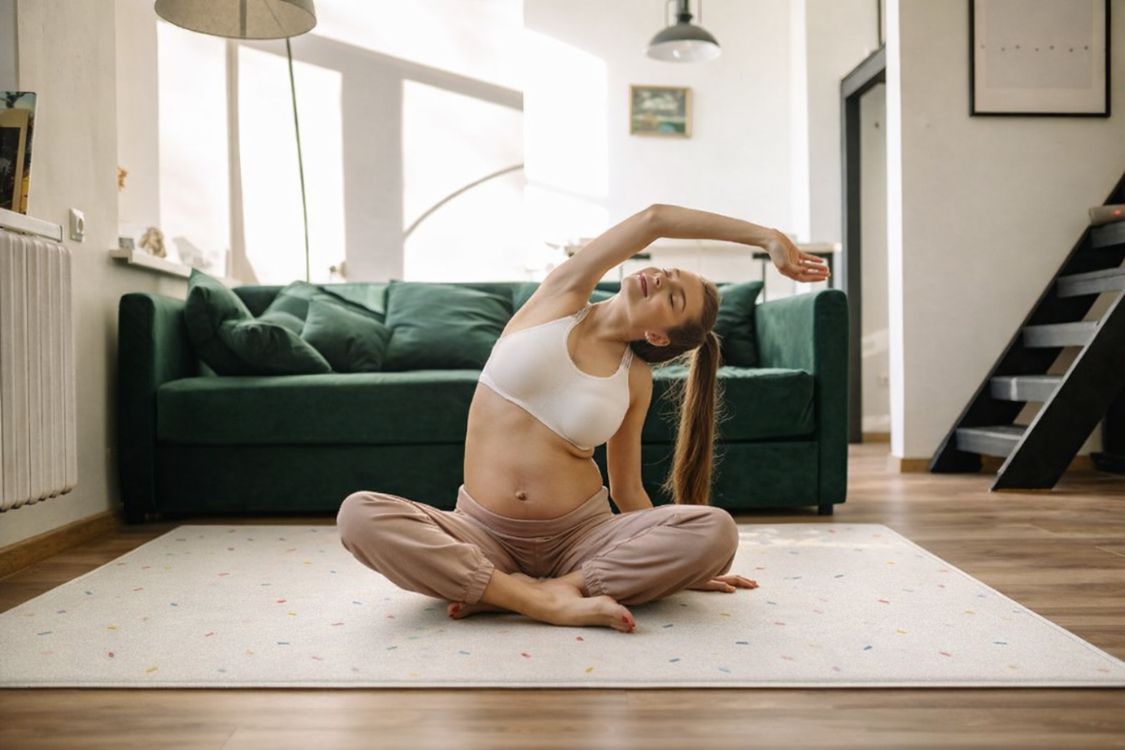
You do not need a strict plan or a gym membership. Many women feel most comfortable moving at home, in a calm and safe environment.

Floor-based movement is natural during pregnancy. It allows you to change positions, release your back, and work with your breath.

Preco-sa-hybat-v-tehotenstve4

A soft corner at home can be your movement space today and a place for your baby later on.

Movement is not an obligation

Movement during pregnancy is not a task you have to complete.

There are days when you feel lighter. And there are days when simply moving from one room to another is already an achievement. Both are completely okay.

Movement is not about what you should do. It is about what supports you.

Your LALALU 🤍

Childhood Curiosity: How to Nurture It (Without Losing Your Mind)

Dear mama,
you know how it is – you turn around for just three seconds, and suddenly your little one is exploring the spice drawer, holding a wooden spoon, or asking: “Mommy, why does the water go down?” (Of course exactly at the moment you’re saving the tablecloth from a juice catastrophe.)

Curiosity is beautiful – it’s the engine that drives children to learn, discover, and create. But let’s be honest, sometimes it’s also a real test of patience.
Here are a few tips on how to nurture that spark in your child while keeping your own calm.

detska-zvedavost-lalalu01

1️⃣ LET THEM EXPLORE – EVEN IF IT MEANS A LITTLE MESS

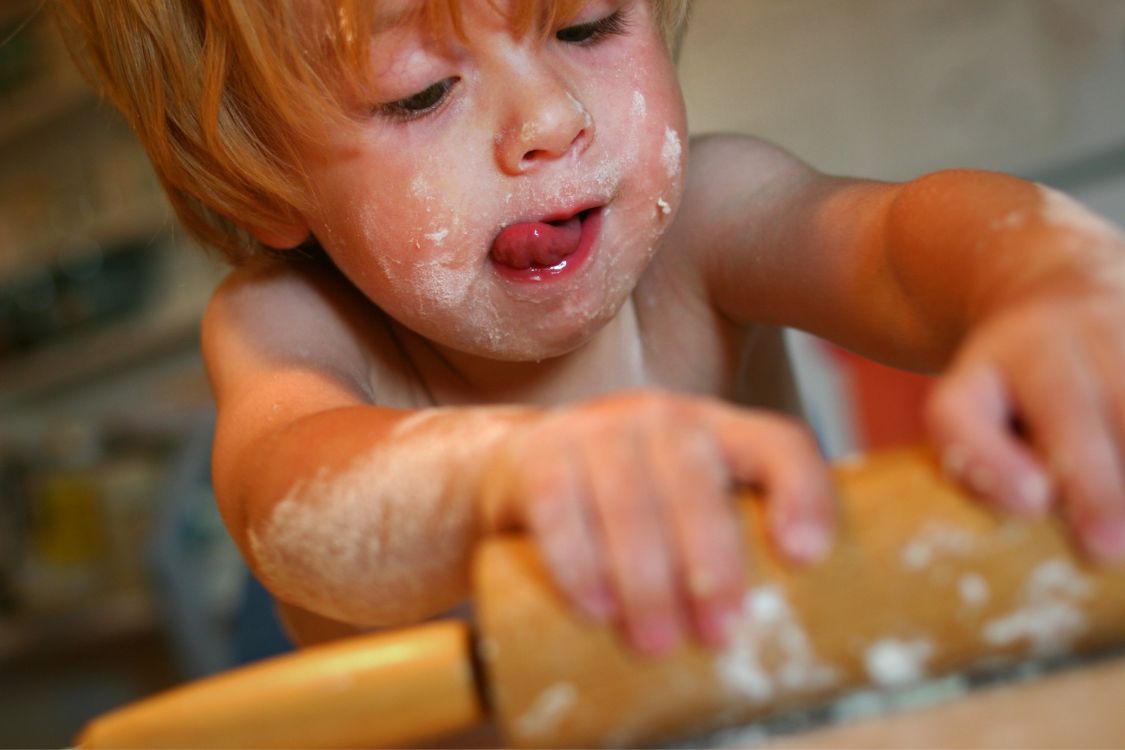
Nothing teaches a child more than their own hands and their own experiments. Yes, the kitchen may look like a tiny explosion happened, but for your child, it’s a laboratory full of discoveries.
When they can pour water, scoop flour, or mix colors, they learn through experience – not through instructions.

💡 LALALU TIP:
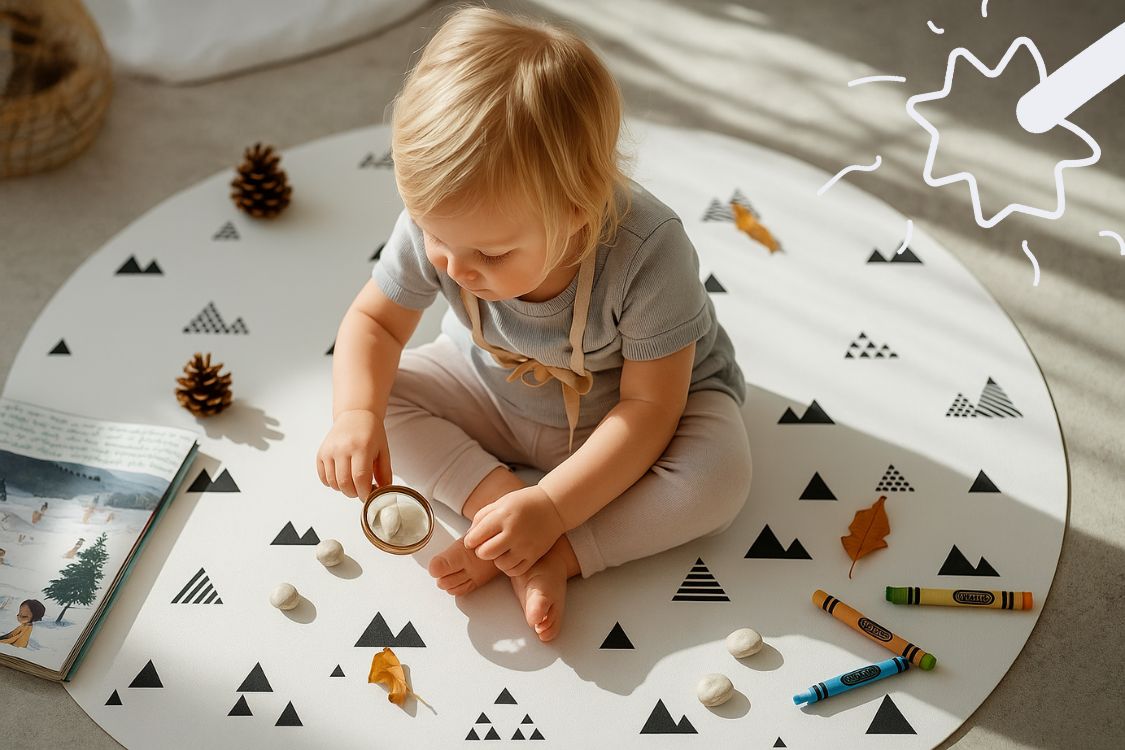
Create a little explorer’s corner at home – a spot with bowls, water, spoons, and a few old plastic containers. Lay down a LALALU playmat – it protects your floor, gives your child a soft space, and gives you peace of mind that everything stays (at least mostly) under control.

detska-zvedavost-lalalu02

2️⃣ DON’T ANSWER THEIR QUESTIONS WITH JUST “BECAUSE”

Some days children have about a thousand “why” questions. And even though we’d sometimes prefer the shortest answer possible, every question is an opportunity to show them that finding things out is fun.

Try answering like this:

  • “Why is the sky blue?” → look it up together in a book or video.

  • “Why do flowers grow?” → show them how you water a plant.

  • “How does rain form?” → make a mini experiment with a glass of water and ice.

Children don’t need perfect explanations. They just need to see that you’re curious too — and willing to discover things together with them.

3️⃣ PLAY IS THE BEST TEACHER

Children learn best when they’re playing. You don’t need complicated activities – just try seeing the world through their eyes.
Even an ordinary walk can turn into an adventure: look for leaves of different shapes, watch shadows, count stones, or jump into a puddle and listen to the sound of water.

detska-zvedavost-lalalu03

💡 LALALU TIP:
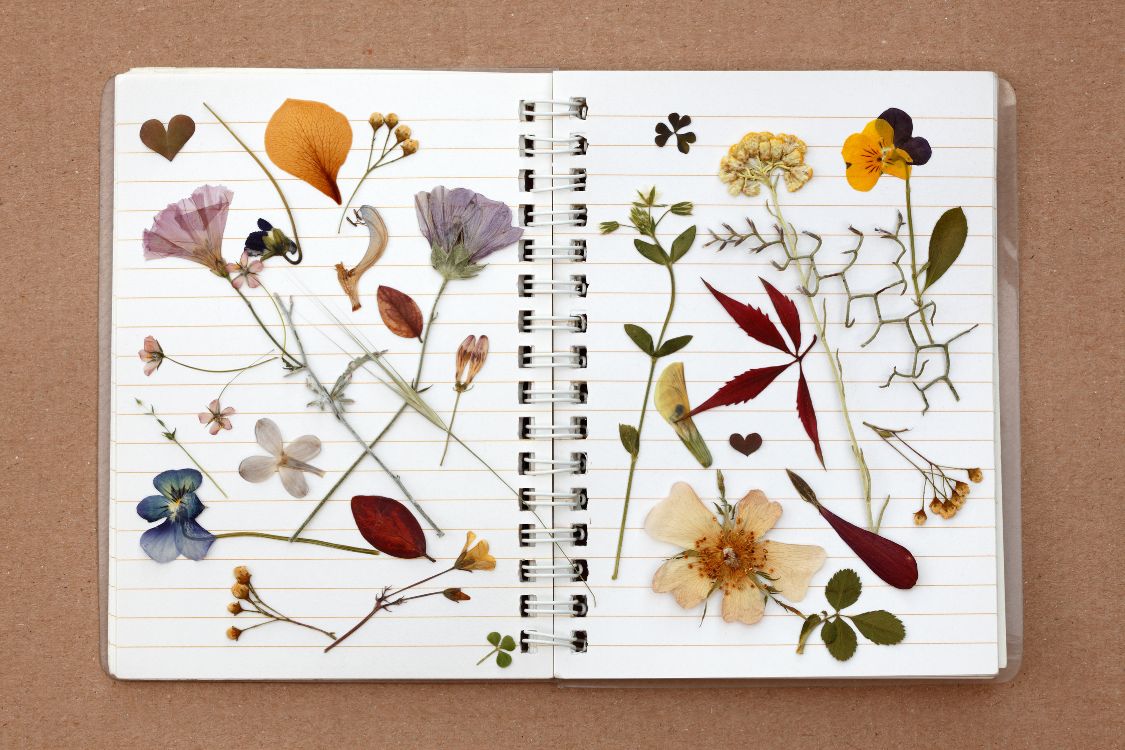
Start a little Discovery Notebook – your child can draw in it or glue tiny treasures from your walks. In a few years, it will become a beautiful childhood keepsake.

4️⃣ PRAISE THEIR CURIOSITY, NOT PERFECTION

When your child creates something, avoid saying only “What a beautiful picture!”. Try appreciating the process instead:

  • “I love how you experimented with mixing the colors.”

detska-zvedavost-lalalu04

  • “You didn’t give up, even when it didn’t work at first!”

This shows them that the value lies not in perfection, but in the courage to try.

5️⃣ BE CURIOUS TOGETHER

Curiosity is like laughter – it’s contagious. When children see you trying new things and genuinely enjoying small wonders, they naturally follow your example.

Try saying during cooking:
“Let’s see what happens if we add a pinch of cinnamon.”
Or on a walk:
“Did you notice how the color of the leaves changes when the sunlight hits them?”

💙 IN THE END

Curiosity is a gift. Sometimes loud, sometimes sticky, sometimes tiring – but always beautiful. Every little “why?” brings your child one step closer to understanding the world – and you as their most loving guide on the journey.

With love,
Your LALALU

HOW TO CARE FOR YOUR CHILDREN’S HEALTH (AND YOUR OWN) DURING COLD DAYS

Dear moms,

When the weather gets colder, the days get shorter and sunlight disappears, our bodies and minds naturally ask for more care.
Kids get sick more often, we feel more tired, and sometimes it seems like all we want is to curl up under a blanket and wait for spring.
And maybe that’s perfectly fine — to slow down, rest more, and focus on what matters most: health, calm, and time together.

🍵 WARM DRINKS AS FIRST AID

On cold days, even the simplest things work wonders — like a warm cup of tea.
Not just any tea, but one that warms both body and soul.

👉 For kids: fruit or herbal teas — rosehip, sea buckthorn, linden blossom, chamomile.
Sweeten with a teaspoon of honey (only after the tea cools down so its benefits remain intact).

👉 For moms: warm water with lemon and ginger in the morning supports immunity and digestion.
And in the evening? A cup of cocoa or turmeric milk and a quiet moment with your kids — just warm up together.

cold-days-health-kids01

💆‍♀️ MASSAGE & HEALING TOUCH

Touch is one of the most natural ways to care for your child — and for yourself.

After a warm bath, you can give your child a short foot, back, or hand massage
it improves circulation, supports better sleep, and strengthens the feeling of safety.

cold-days-health-kids02

Use a few drops of coconut or almond oil, or a gentle baby oil.
A drop of lavender helps calm and release tension.

And don’t forget yourself — a quick neck or hand massage during the quiet evening can do wonders.

🕯️ HOME SCENTS & COZINESS

During the colder months, we spend much more time at home, so it’s worth caring for the right atmosphere.
Aromatherapy can create a sense of warmth and comfort:

  • orange, clove, cinnamon → evoke a sense of home and safety
  • lavender, mandarin → calm and support sleep

cold-days-health-kids03

Some moms enjoy an evening ritual — lighting a candle, playing soft music, and spending a few minutes simply feeling themselves.
That’s not a luxury, it’s soul care — something every mom deserves.

🥣 VITAMINS & NUTRITION

During autumn and winter, kids’ bodies need extra support.
Vitamins C, D, and zinc are essentials.

Add more fruits, vegetables, and warm meals to your daily menu — soups, broths, roasted veggies.
You don’t need magical supplements — just variety and consistency.

And don’t forget about hydration — even in winter.
Warm water with lemon or tea with a bit of honey can make a big difference.

cold-days-health-kids04

💛 EMOTIONAL WELL-BEING & TOGETHERNESS

Health is not just about vitamins.
It’s also about calm, laughter, and closeness.

Give yourself and your child a daily moment to talk, play, or read together.
Kids don’t need a perfect program — they need a mom who is present.

cold-days-health-kids05

And dear moms, remember: when you take care of yourself, you give your children the best — calm, patience, and love.
If the daily routine exhausts you, allow yourself a few minutes of quiet, deep breathing, or time without your phone.

🌙 IN THE END

Cold days don’t have to be all about fatigue and illness.
They can also be about slowing down, warm blankets, the smell of tea, and cozy home moments.

Caring for your health is not about complicated rules — it’s about small, loving gestures —
a cup of tea, a touch, a smile, and shared calm.

With love,
Your LALALU

LALALU Kidscafé™: Discover our children's paradise in Parndorf

The kids’ corner in Parndorf is currently closed. We apologize and hope to welcome you back soon.

Imagine shopping in peace and without stress while your child enjoys a day full of fun.

This is not a dream; this is LALALU Kidscafé – a unique concept from South Korea, now available in Austria at Parndorf Fashion Outlet.

Our kids’ playground offers more than just childcare. It’s a place where parental comfort meets endless fun possibilities for kids.

lalalu-kidscafe-main2


What does LALALU Kidscafé offer?

🧸 Childcare: Our qualified staff ensures your children are safe and feel at home.

🎭 Animation programs: Let your kids experience magical adventures with creative activities, games, and interactive programs.

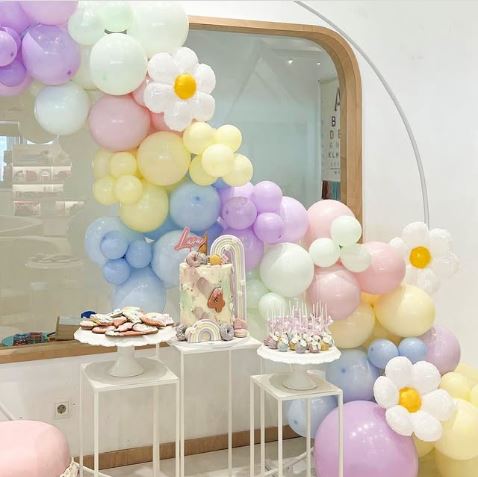
🎂 Birthday parties: Planning an unforgettable birthday celebration? LALALU Kidscafé takes care of everything from decorations to activities – just bring a good mood!

The best coffee: Treat yourself to a moment of relaxation with a great cup of coffee while your kids are having fun.

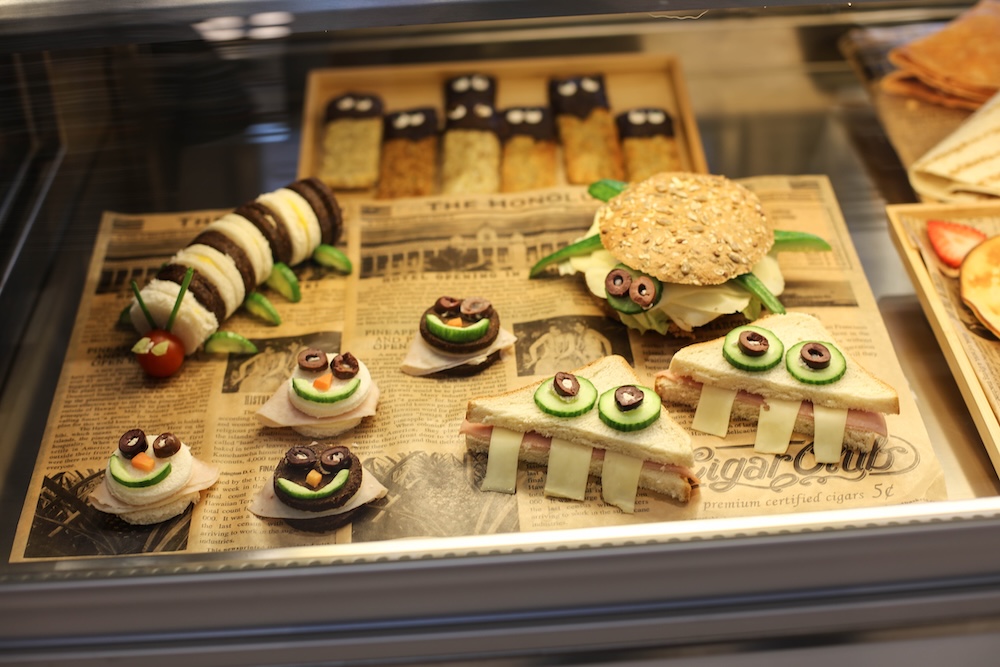
🍴 Catering: Lovingly prepared refreshments are perfect for parties or a quick snack after shopping.

🛒 Product showroom: Most of our products can be tested and purchased directly at LALALU Kidscafé.

lalalu_kidscafe_barista

lalalu-catering

lalalu_party


13 Themed Zones for Maximum Fun

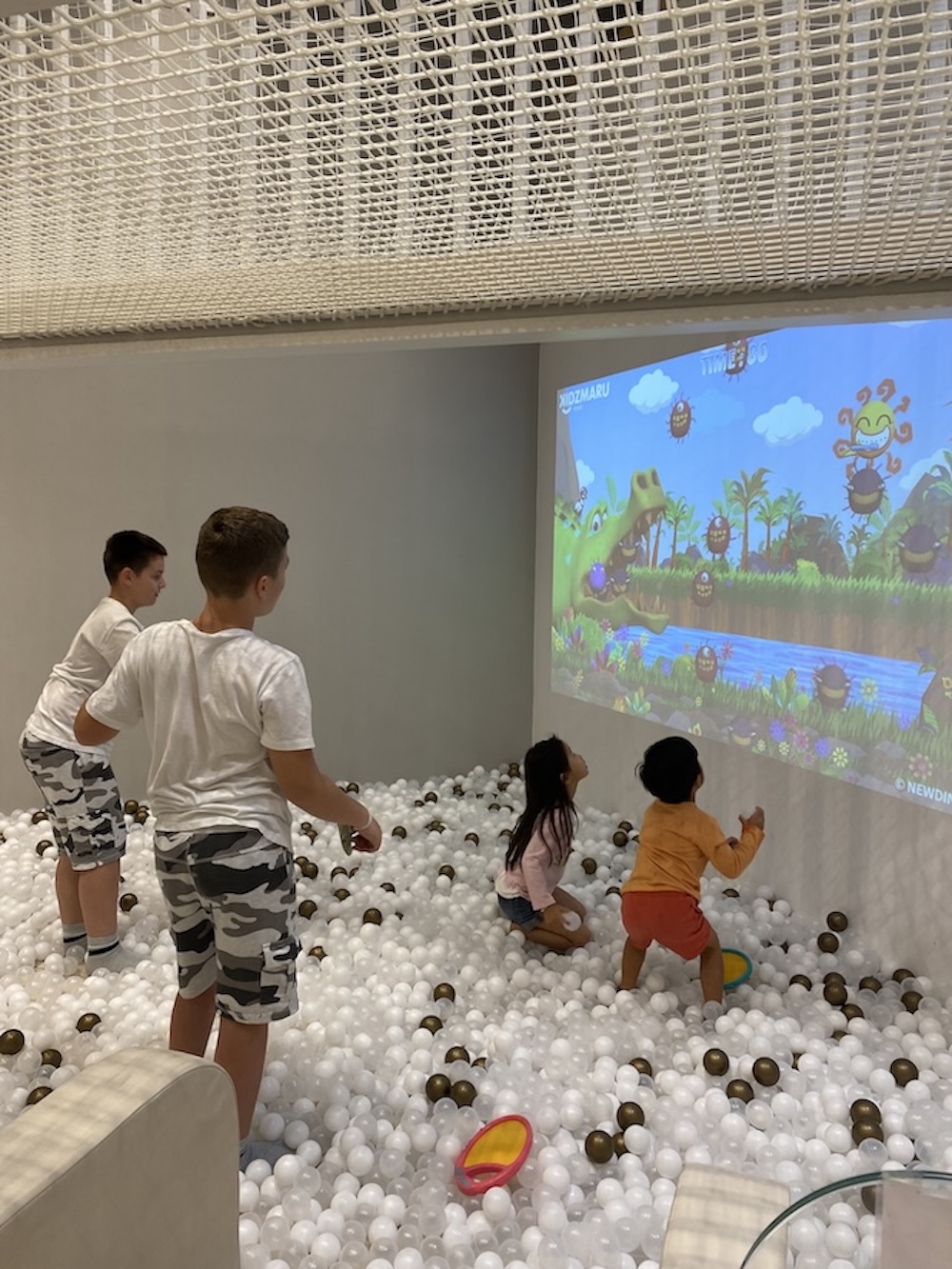
Each zone at LALALU Kidscafé is carefully designed to help children develop their creativity, physical skills, and social abilities. From a climbing wall to a racing zone and relaxation areas – every child will find something to love here.

lalalu-interactive-zone_1

LALALU Kidscafé - Interactive Zone

lalalu-kidscafe-streetmarket

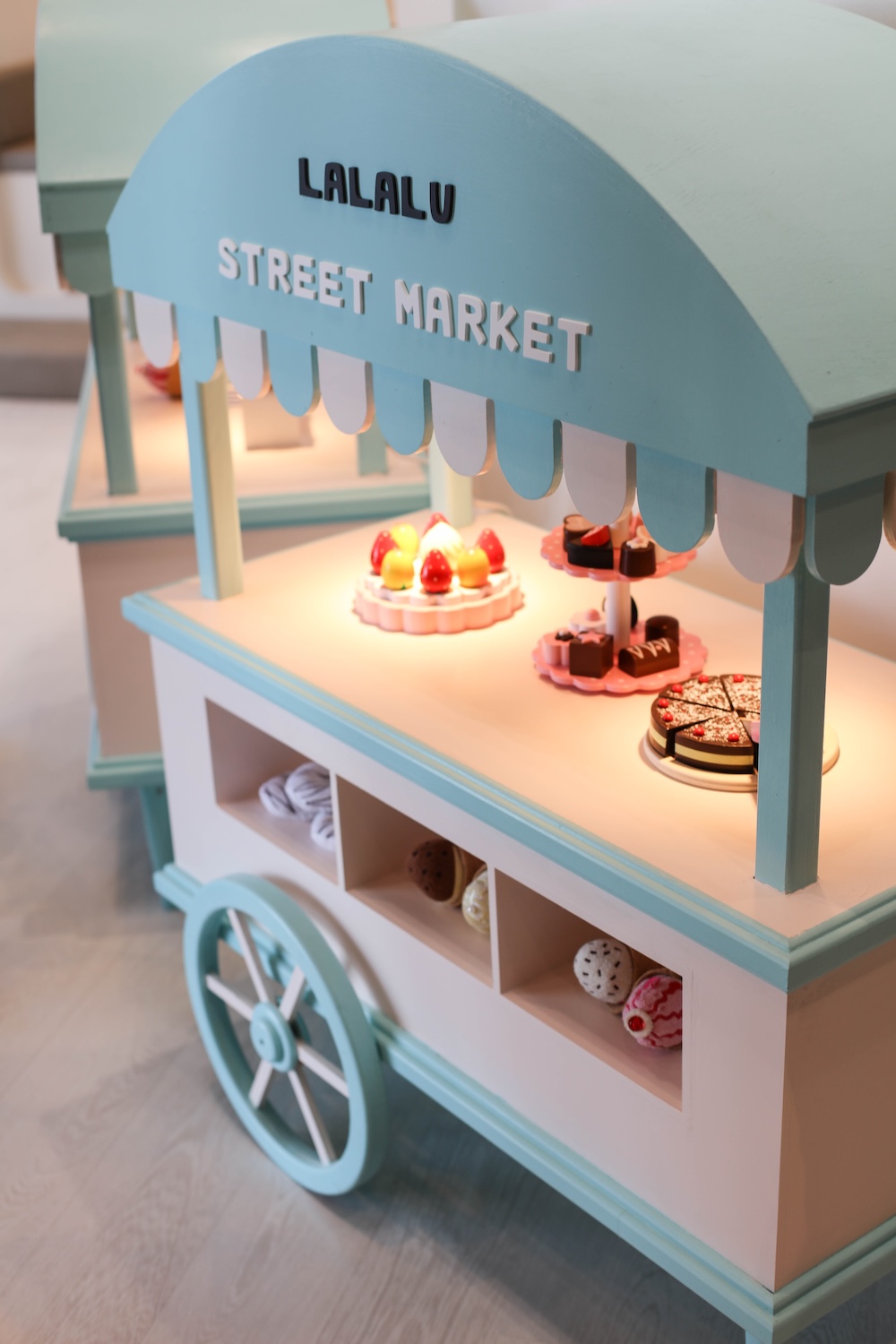
LALALU Kidscafé - Street Market


A Place Where Fun Meets Relaxation

LALALU Kidscafé in Parndorf is more than just a kid’s playground. It’s a space where children enjoy their world, and parents get the well-deserved time for themselves. Everything is designed to make your family visit to the outlet center a pleasant experience.

Visit us and see for yourself why LALALU Kidscafé is loved by both kids and adults!

More information about opening hours, play zones, pricing, and more can be found on the website LALALU Kidscafé.


Where to Find Us?

Snímka obrazovky 2025-01-07 o 13.32.08


Listing controls

5 items total